Reed switches are inside almost every home, usually without anyone noticing. They are sealed, tolerant of water, inexpensive, and reliable for millions of operations, which makes them the natural choice for water level detection and door safety in household appliances.
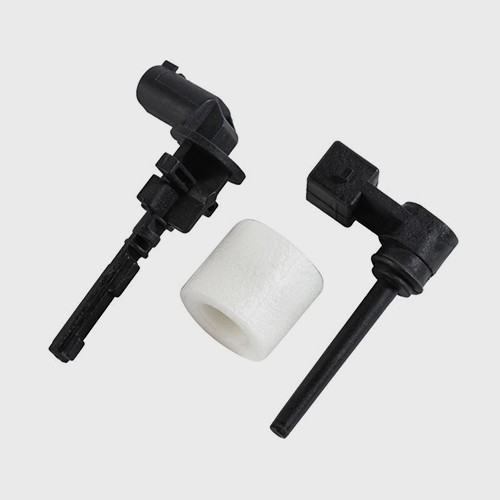
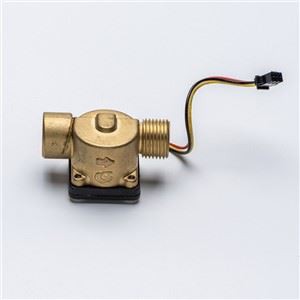
A single washing machine contains three reed switch applications. A water level sensor uses a magnetic float that rises with the water and triggers a reed switch to stop filling and prevent overflow. A lid or door safety switch stops the machine the moment the lid is opened. And a drum speed sensor counts revolutions: a magnet on the drum triggers a reed switch once per turn, giving the controller the spin speed. All three are sealed against water and built to last the life of the appliance.
A reed switch in the door frame and a magnet in the door detect whether the refrigerator is open or closed. When the door closes, the switch closes, the light goes out, and the cooling cycle resumes. When the door opens, the light comes on, and if the door is left open too long, an alarm sounds. Smart refrigerators feed the door status into the home network, so a phone can remind the user to close the door and reduce food spoilage. Refrigerators with reed door switches can cut annual energy consumption by up to 15 percent, and energy efficiency regulations continue to drive this application.
Dishwashers use reed switches for door locking, keeping the door locked during the hot wash cycle to prevent scalds, and for water level detection. Microwave ovens use a reed door interlock that cuts power the instant the door opens, preventing microwave leakage; this is a mandatory safety requirement. Oven door switches use the same sealed, fast-responding design. In all three cases, the reed switch is a safety-critical part, and its sealing and fast response are what make it suitable.
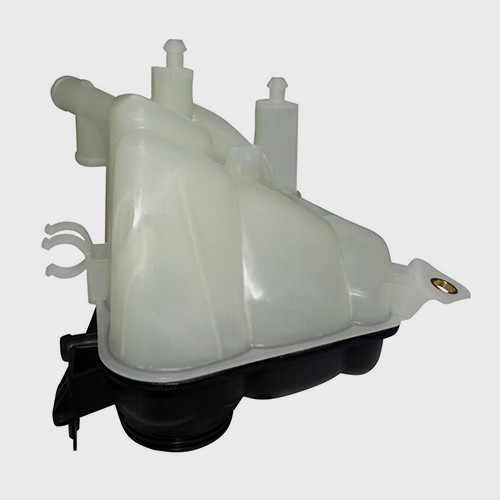
Reed level sensors detect water tank level across a wide range of small appliances. A coffee maker stops and protects itself when the water runs out, a water purifier monitors its supply level, and humidifiers and air conditioners monitor their water tanks and condensate pans. The trigger point is set by the mounting height of the sensor, and when the level is reached it starts a pump or raises an alarm.
Reed switches are sealed against water and steam, switch without contact, and cost very little at appliance volumes. They need no power to hold a state and survive the heat, humidity, and vibration of a kitchen or laundry room. For appliance makers, they are the proven, low-cost choice for level and door sensing.
 English
 Español
 Français
 Deutsch