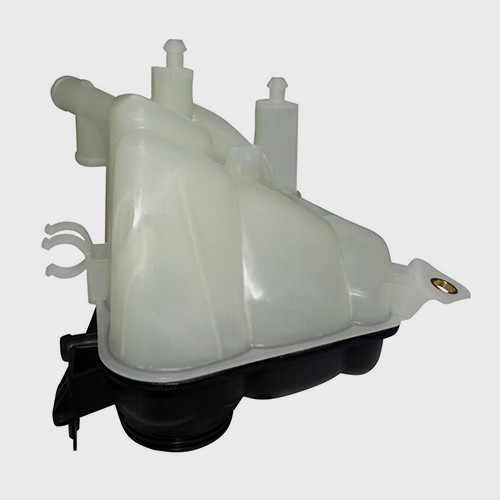
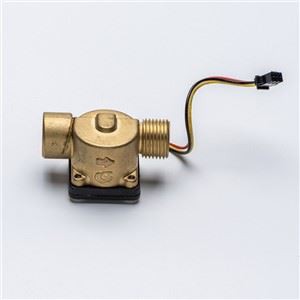
1, float type liquid level transmitter
The float type liquid level transmitter changes the magnetic float to a float, and the liquid level sensor is designed according to the Archimedes buoyancy principle. The float type liquid level transmitter uses the tiny metal film strain sensing technology to measure the liquid level, boundary or density of the liquid. It can be used for routine setting operations through the on-site buttons when it is working.
2, float type liquid level transmitter
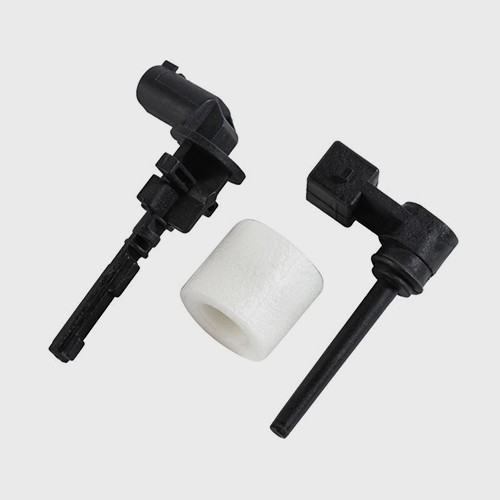
The float type liquid level transmitter consists of a magnetic float, a measuring tube, a signal source unit, an electronic unit, a junction box and installation parts. Generally, the specific gravity of the magnetic float is less than 0.5, which can float above the liquid surface and along the measuring tube Moving up and down, the catheter is equipped with a measuring element, which can convert the measured liquid level signal source into a resistance signal source proportional to the change of the liquid level under the action of external magnetism, and convert the electronic unit into 4-20mA or other standard signal source display.
The liquid level sensor is a modular circuit, which has the advantages of acid resistance, moisture resistance, shock resistance, and corrosion resistance. The circuit contains a constant current feedback circuit and an internal protection circuit, which can make the display maximum current not exceed 28mA, so it can reliably protect the power supply and make the second The secondary instrument is not damaged.
3, static pressure type liquid level transmitter
The transmitter uses the measuring principle of hydrostatic pressure to work. Generally, it uses a silicon pressure sensor to convert the measured pressure into an electrical signal source, and then is amplified by an amplifier circuit and compensated by a compensation circuit. After that, it is 4-20mA or 0. ~10mA current mode display.
 English