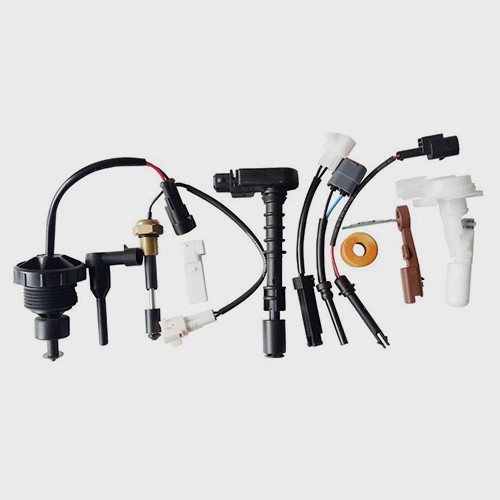
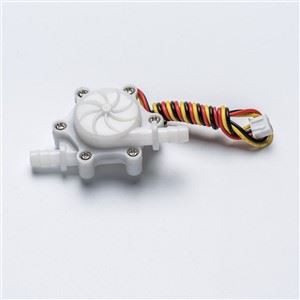
1. Determine the type of sensor according to the measurement object and measurement environment
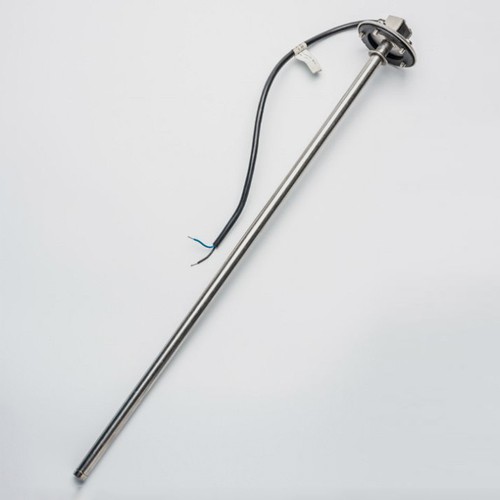
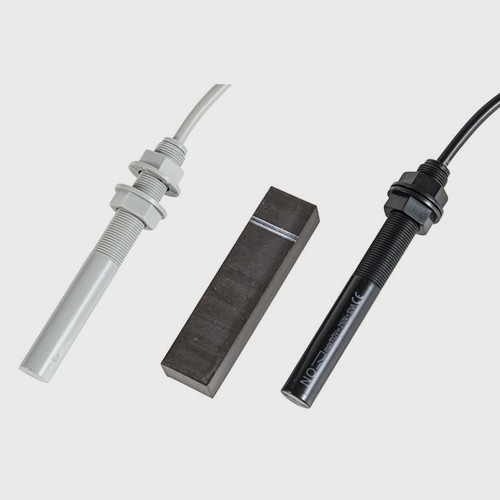
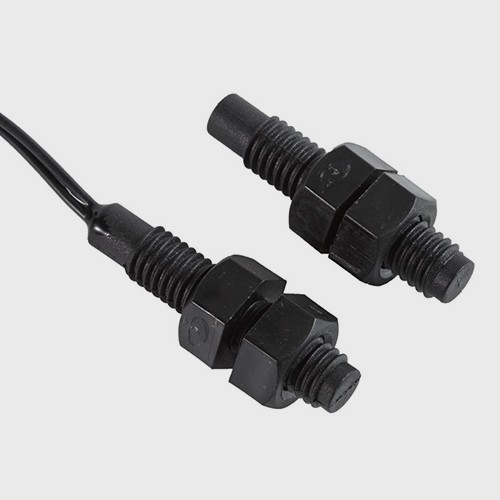
To carry out a specific measurement work, we must first consider what kind of sensor principle the liquid level sensor adopts, which can be determined after analyzing many factors. Because, even if measuring the same physical quantity, there are sensors with multiple principles to choose from. The sensor of which principle is more suitable, you need to consider the following specific issues according to the characteristics of the measured and the use conditions of the sensor: the size of the range; The location requires the volume of the sensor; the measurement method is contact or non-contact; the method of signal source extraction, wired or non-contact measurement; the source of the sensor, whether imported or domestic, whether the price is acceptable, or self-developed.
2, the choice of sensitivity
Generally, within the linear range of the liquid level sensor, it is desirable that the sensitivity of the sensor is as high as possible, because only when the sensitivity is high, the output signal source corresponding to the measured change is larger and beneficial to the signal source processing, but it should be noted that, The sensitivity of the sensor is high, and external noise that is not related to the measurement is also easy to mix in, and it will also be amplified by the amplification system, which affects the measurement accuracy. Therefore, the sensor itself is required to have a high signal-to-noise ratio to minimize the source of factory worry signal introduced from the outside. The sensitivity of the sensor is directional. When the measurement is a single vector, and its directionality is higher, the sensor with less sensitivity in other directions should be selected. If the measurement is a multi-dimensional vector, the cross sensitivity of the sensor is required to be smaller The better.
3, frequency response characteristics
The frequency response characteristic of the liquid level sensor determines the frequency range to be measured, and the measurement conditions must be kept undistorted within the allowable frequency range. In fact, the response of the sensor always has a certain delay. It is hoped that the shorter the delay, the better the frequency response of the sensor High, the frequency range of the measurable signal source is wide, and due to the influence of the structural characteristics, the inertia of the mechanical system is relatively large, and the frequency of the measurable signal source is low because of the low-frequency sensor. In dynamic measurement, it should be based on the signal The characteristics of the source (steady-state, random, etc.) response characteristics to avoid excessive errors.
 English