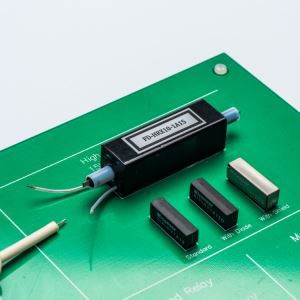
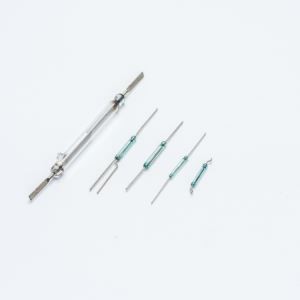
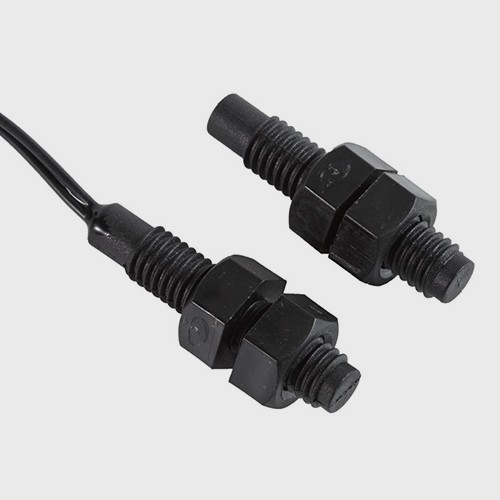
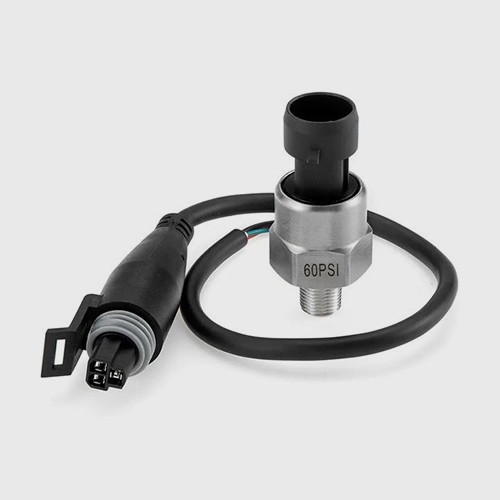
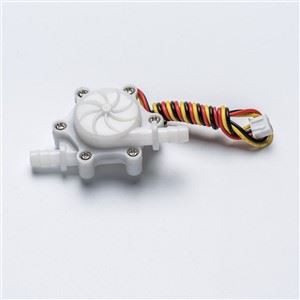
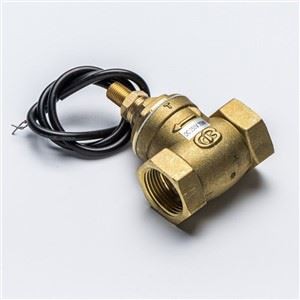
Liquid level sensor is a kind of pressure sensor that measures liquid level. According to the measurement method, it can be divided into contact type and non-contact type. Liquid level sensors are used in many projects, such as water treatment industry, metallurgical industry and petrochemical industry and so on. The following mainly introduces two liquid level sensors with different measurement methods: contact and non-contact.
Contact liquid level sensor
Capacitive type, float type, float type, pressure type, etc. are all contact type liquid level sensors. In the process of liquid level measurement, they detect the direct contact between the sensing element and the measured medium. In some applications, the detection transmission A thick "scar" will soon form on the sensing element, causing the sensor to not work properly. So when choosing, you must understand the performance of the tested medium
Non-contact liquid level sensor
There are mainly two types of non-contact liquid level sensors: radioisotope type and ultrasonic type. For the radioisotope liquid level sensor, due to its small range, it is not suitable for large-range liquid level measurement occasions. The ultrasonic liquid level sensor not only has a wide range and can be used for large-scale measurement occasions, but also achieves non-contact measurement without being affected by the "scarring" of the medium. The disadvantage is that the use of the ultrasonic liquid level sensor is restricted by the medium temperature, ambient temperature, the degree of fluctuation of the measured liquid level and many other external environmental factors. These constraints will seriously affect the measurement accuracy of the ultrasonic liquid level sensor.
Therefore, different liquid level sensors are used in different occasions. According to the needs of on-site measurement, it is decided to choose the contact type and the non-contact type, and then see which measurement principle is more suitable for the current liquid level measurement.
 English