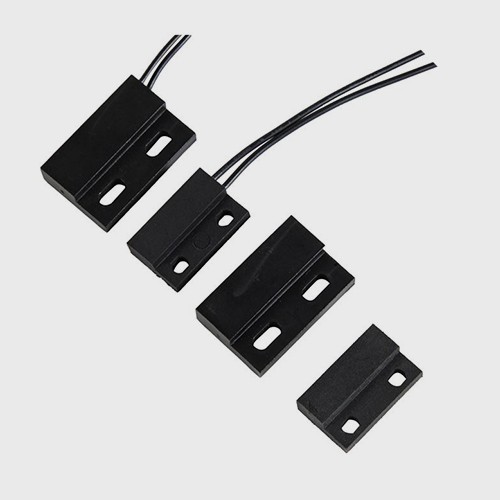
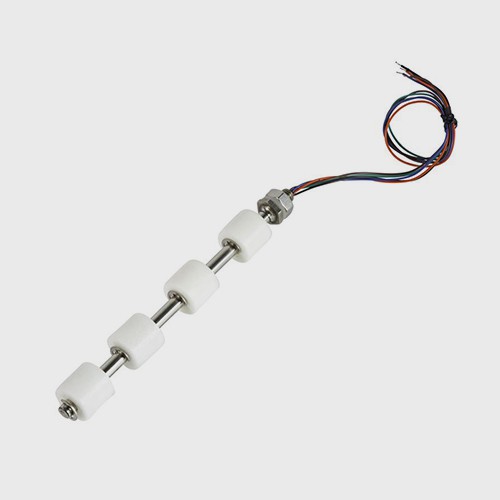
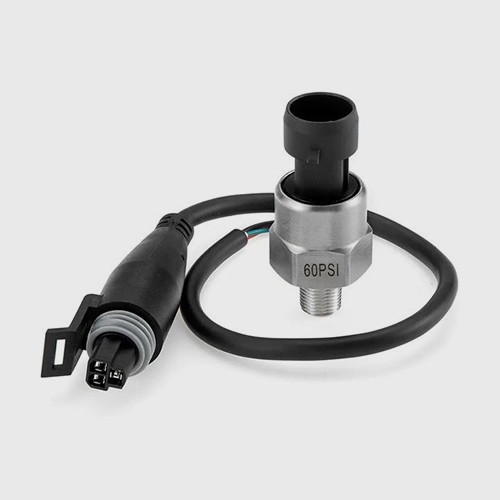
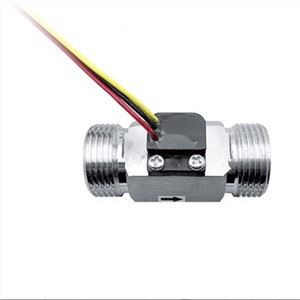
The basic working principle of the oil level sensor: the sensing part is a coaxial container. When the oil enters the container, the capacitance between the sensor housing and the sensing electrode will change. This change is converted by the circuit and is extremely linear And temperature compensation, output 4-20mA standard signal for display instrument. It can be installed in various places to accurately measure and control the oil level of gasoline, diesel, hydraulic oil, etc. It is also suitable for measuring various non-conductive liquids.
This type of product can also be used to measure conductive media under particularly severe electromagnetic interference and severe stirring. Automobile oil level sensor oil level transmitter The core component adopts advanced radio frequency capacitance detection circuit through 16-bit single-chip microcomputer through precise temperature compensation and linear correction, and the field conditions are particularly harsh. Converted into a standardized electrical signal (usually 4-20mA, optional HA RTCA NBUS485 communication protocol for system configuration. All series of transmitters have self-calibration function, users can use two buttons or two leads to carry out "zero point" range" Automatic calibration to meet the different requirements of various complex places.
 English