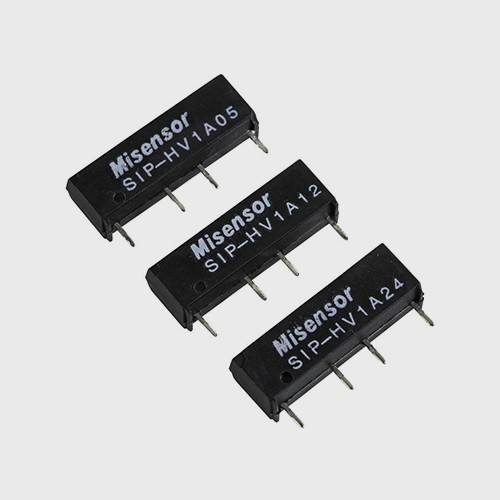
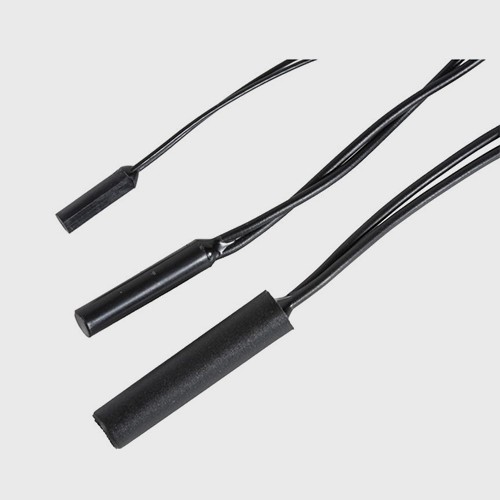
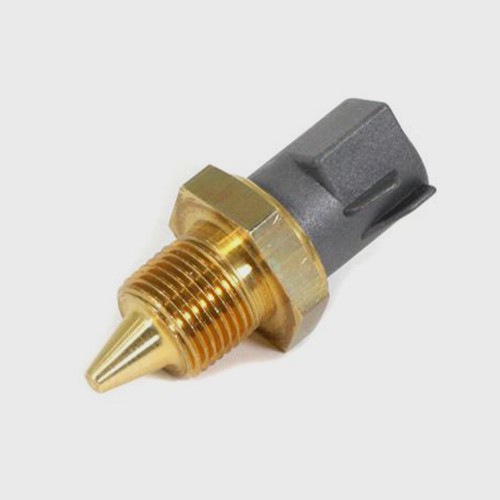
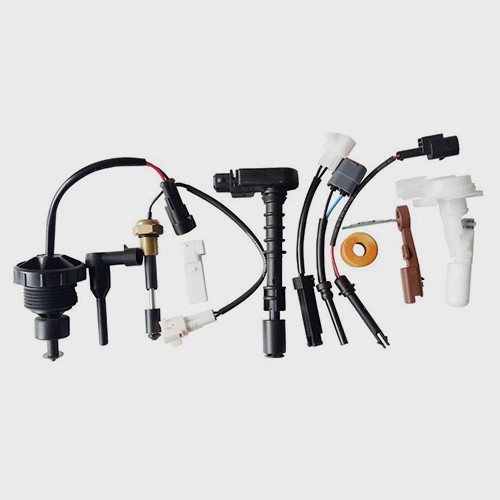
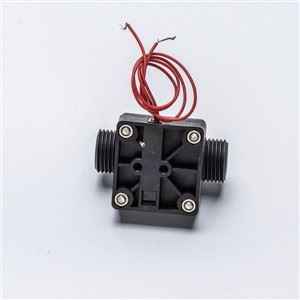
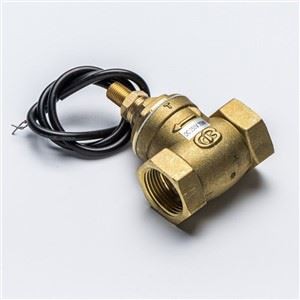
In water treatment, (water level switch) level control is often related to the safety, economy and feasibility of the entire process.
In a water treatment process, there are generally raw water, intermediate water tank, product water tank, backwash water tank, and even waste liquid tank. The volume is large or small. Generally, the production water tank and the raw water tank are relatively large, especially in large-scale production lines. At this time, it is often necessary to use multiple level switches in the water tank to control multiple levels. Each liquid level corresponds to different actions, such as pump start and stop, water production start and stop, etc. Although some water tanks are large, they do not necessarily need multiple level switches.
For example, in an RO pure water production line, RO concentrated water is used as backwash water and stored in the backwash water tank. In the backwash water tank, there is only one level switch, the low level control switch (water level switch) is used to detect the amount of water in the water tank during backwashing, without detecting whether the water tank is full. Because RO produces pure water continuously, the concentrated water cannot be discharged. For the product water tank, it is necessary to set the low level and high level control switches. The high liquid level switch is used to detect whether the water tank is full, and if it is, the water production is stopped; the low liquid level switch is used to monitor whether the water produced in the product water tank is sufficient when water is being used, and if it is insufficient, the production of water needs to be stopped.
For some occasions that require more precise control of the liquid level, multiple middle liquid level control switches can also be set, which are generally distributed equidistantly between the high and low liquid level control switches.
 English