A compelling application for the quality and reliability of reed switches is in automatic test equipment (ATE). The technology is superior in this equipment. Reed switches are used in reed relays. They are used in IC, ASIC, silicon test equipment and printed test equipment as switches. In these applications, there may be as many as 20,000 reed switch relays in a test system. The failure rate of a relay is set at 50ppm, so to meet this requirement, the quality level of reed relays is much better than the 50ppm requirement. So far, I have not heard of an electromechanical device with this level of quality. Similarly, it is also applicable to some semiconductor devices. Once in addition to the quality test of the initial work, the reed relay needs to perform well within its life. At this point they have proven to outperform all other switching devices. This is because in many cases, ATE works 24 hours a day, 7 days a week, and its cost is the main one. Therefore, the working life of the reed switch relay needs millions of times. Another good example of a reed switch relay is its use as an air bag sensor. In this system it has passed the time test in severe safety applications.
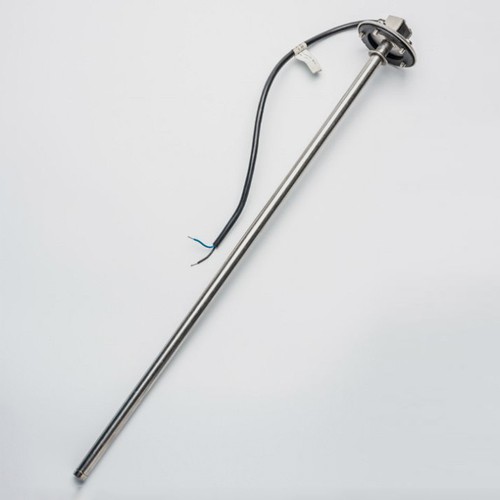
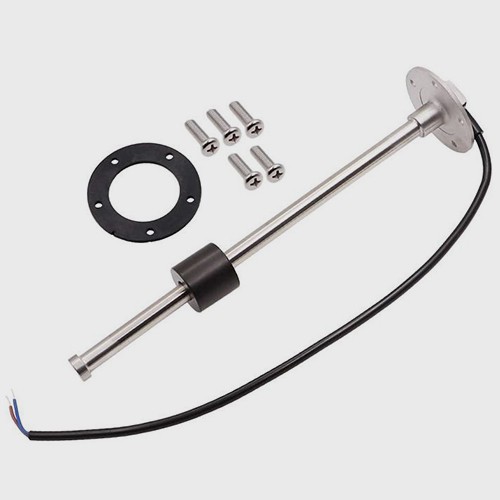
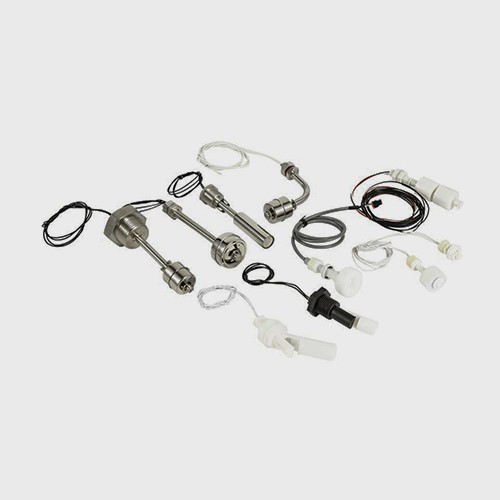
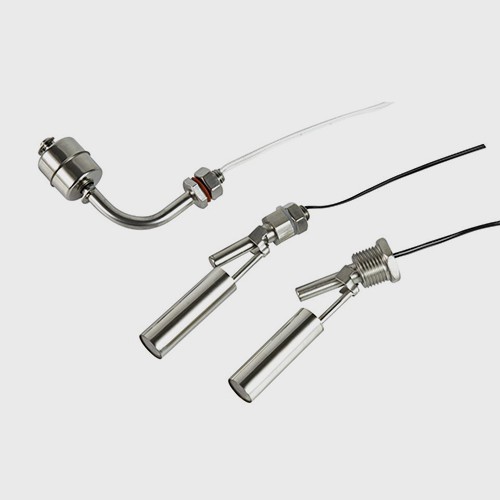
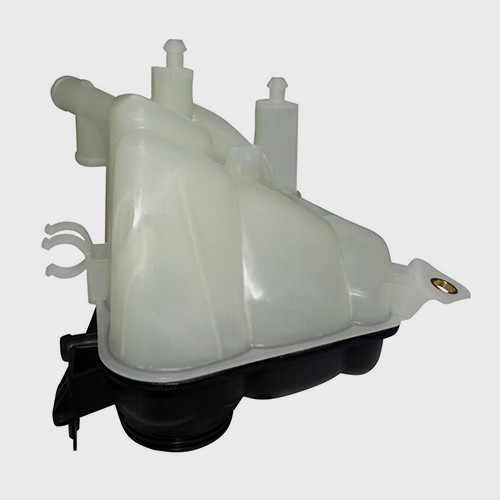
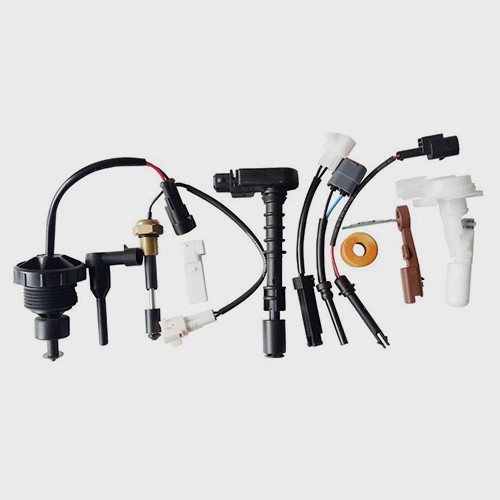
Reed switch sensors are widely used in many demanding automotive safety equipment (such as the height of sensitive brake fluid), and are used in many medical instruments, including cautery equipment, pacemakers and other medical electronic equipment. On these devices, reed switch relays isolate small leakage currents. Reed relay is an electromagnetic circuit breaker with sealed contacts. Reed relays can reflect signals such as voltage, current, power and current polarity, and are widely used in detection, automatic control, computer control technology and other fields. The dry reed relay is mainly composed of a dry tongue and an excitation coil. Reed relays have: simple structure and small size. The electrical life of the contact is generally about 10 to the 7th power. Reed relays can also be driven by permanent magnets to reflect non-electric signals, used for limit and stroke control, and non-electricity detection. The main component is the reed water level signaler of the reed relay, which is suitable for water level control and water level alarm of open containers such as water tanks, water towers and pools in industrial and civil buildings.
 English