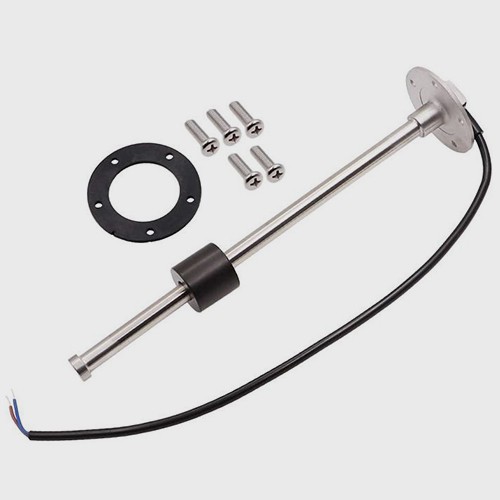
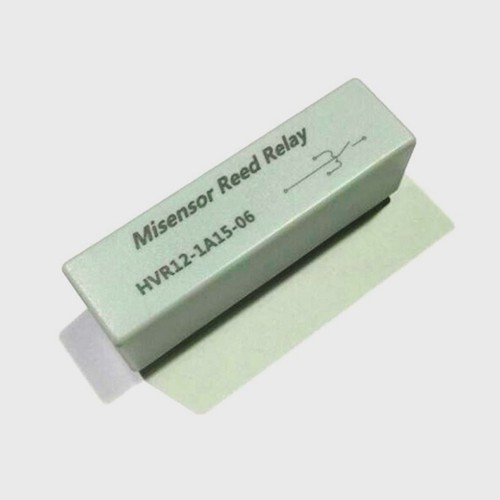
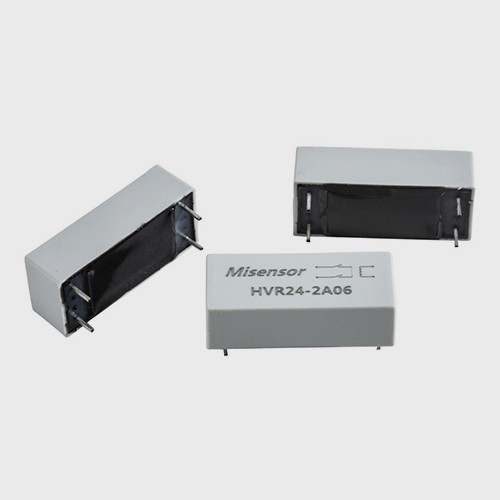
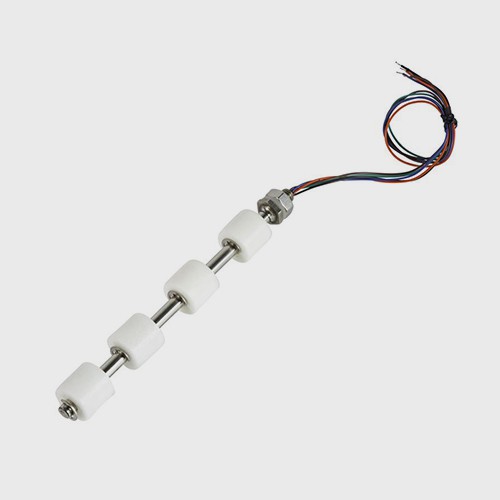
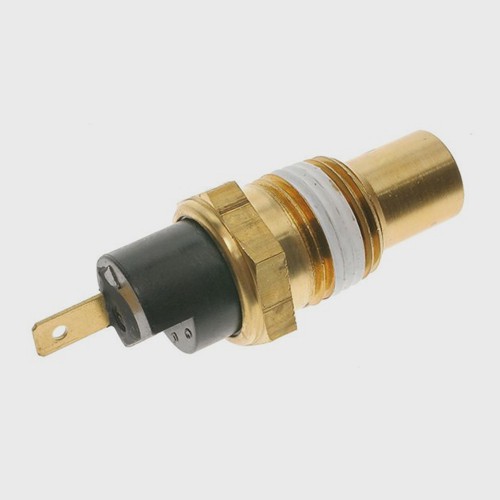
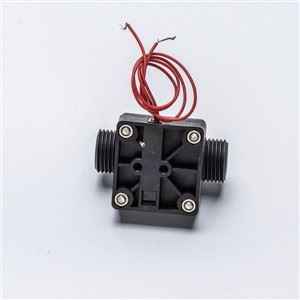
The sensitivity of the sensor is directional. When the measured is a single vector, and its directivity requirements are high, you should choose a sensor with less sensitivity in other directions; if the measured is a multi-dimensional vector, the smaller the cross sensitivity of the sensor, the better.
(1) The physical property parameters are not uniform and change.
If the temperature unevenness of the upper and lower liquids is not considered, the density can be considered to be the same, and it is easy to calculate the weight from the volume. However, in the large container of the liquid level sensor, the temperature, density, viscosity and other physical quantities of the measured medium are often uneven, and they may change with time and temperature, causing measurement errors.
(2) The liquid level is uneven.
For the liquid level with good fluidity, the liquid level is horizontal, so in addition to the capacitive level gauge that uses the wall as the electrode, the general level gauge only has requirements for the installation height, and any installation location can be selected at the same height. Ideally, the liquid level is a regular surface, but when the material flows in and out, there will be waves, or the measured liquid may boil, foam, or have suspended solids on the surface during the production process, and the liquid level is not flat of.
(3) Special circumstances.
The liquid level sensor container often has high temperature and high pressure, or the liquid viscosity is very large, or contains a large amount of suspended impurities, etc., which adversely affect the measurement. Usually within the linear range of the liquid level sensor, it is hoped that the higher the sensitivity of the sensor, the better. Because only when the sensitivity is high, the value of the output signal corresponding to the measured change is relatively large, which is beneficial to signal processing. But it should be noted that the sensitivity of the sensor is high, and external noise that has nothing to do with the measurement is also easy to mix in, and it will also be amplified by the amplification system and affect the measurement accuracy. Therefore, it is required that the sensor itself should have a higher signal-to-noise ratio and minimize the interference signal introduced from the outside world.
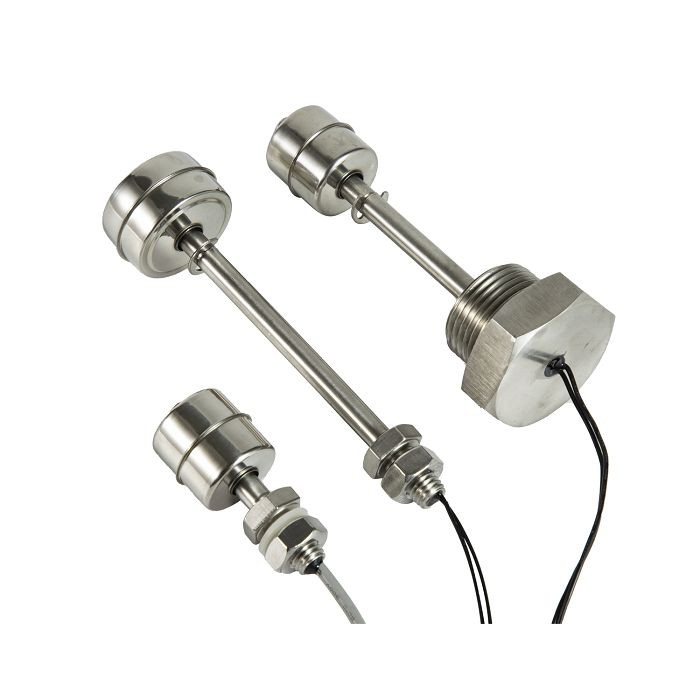
 English